

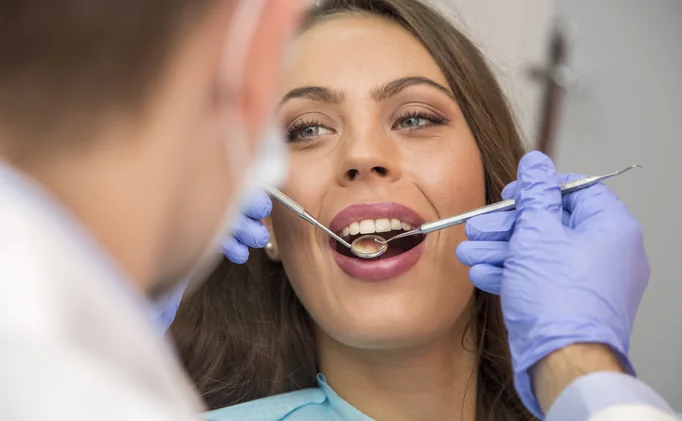
In cosmetic dentistry in London, the most useful description of a hearing need is often a practical one: how should the dentist explain a choice, attract your attention or check that you want treatment to pause? A label alone does not tell a dental team whether you prefer spoken conversation, lip-reading, British Sign Language, written information or a combination. Preferences may also change between a quiet discussion and treatment with equipment running.
Hearing Needs During Cosmetic Dentistry in London
Cosmetic dentistry involves decisions that need room for questions. A photograph can show a proposed shape, but it cannot explain enamel removal, alternatives, maintenance or cost. Before any treatment, communication must work well enough for you to understand those differences and make your own decision. A companion may help if you want one involved, but should not automatically become the person to whom the dentist directs every explanation.
The General Dental Council, the UK dental regulator, requires dental professionals to consider individual communication needs and check understanding. Its guidance includes examples of support for hearing needs. That guidance does not establish that a particular clinic has an induction loop, interpreter or specific appointment procedure. Equipment and support should be confirmed directly, including whether they are available at the location and time you need.
What This Shortlist Can Establish
These six London practices have documented cosmetic dental services and planning features relevant to discussing treatment: visual planning, written information, staged procedures or access to several dental disciplines. They are not ranked by tested hearing accessibility. No hearing equipment, interpreting service or specialised protocol has been independently confirmed for the entries below.
The order highlights different parts of communication, from explaining the proposed appearance to carrying information between visits. Use it to identify a suitable dental starting point, then confirm the arrangements that matter to you. A useful initial message names the treatment concern, your preferred contact method and what helps during conversation. It can also ask who will record the agreed approach so that you do not need to repeat it at every appointment. Written material may be helpful, but it is not automatically an adequate substitute for an interpreter or another form of communication you need.
Top 6 London Cosmetic Dental Clinics for Discussing Hearing Needs
- MaryleboneSmileClinic
MaryleboneSmileClinic’s published consultation process includes examination of the teeth, gums and bite, discussion of preferences and a customised smile simulation. The practice also describes a treatment plan with options and expected stages. These features are relevant to the conversation about an intended cosmetic change, provided the explanations around them are accessible to the individual patient.
A visual preview can give both people a shared point of reference. You might indicate that the proposed front teeth look too long or that a particular edge matters more than overall whiteness. The dentist still needs to explain which changes are feasible and what they would involve. Seeing an image is not the same as understanding or consenting to the procedure behind it.
Before treatment begins, agree how questions will be handled when you cannot readily follow speech. This could include pausing instruments and returning to a seated discussion, depending on your needs and the clinical circumstances. The important outcome is an approach confirmed with the team, rather than an assumption made from a reassuring photograph or a description of the consultation.
Veneers, composite bonding and tooth contouring form part of the London cosmetic dental work described by MaryleboneSmileClinic; comparing their different steps gives the communication plan a specific treatment context.
- Pond Square Dental
Pond Square Dental in Highgate documents a written treatment plan, information leaflets and an explanation of more complex treatment. Its terms also identify email as the usual contact method and invite patients to specify if another method is required. Alongside veneers and smile design, the practice provides restorative and specialist dental services.
The relevance is continuity of information. A decision made in a consultation should still be understandable when you revisit it at home. For example, an estimate can identify the teeth being treated, but the explanation also needs to make clear whether the proposal involves bonding, a veneer or a crown. Those are substantive differences, not interchangeable ways of describing a cosmetic result.
If written English is your preferred way to review details, establish what can be supplied in advance and how questions will be answered. If it is not your preferred language or format, a leaflet alone may leave the central barrier unresolved. Confirm the communication support needed for the appointment itself as well as the paperwork afterwards.
This entry is based on the practice’s documented information and contact arrangements. It does not certify that it can provide any particular hearing adjustment. Where several members of the team are involved, a useful practical check is that the agreed contact preference follows the treatment plan rather than staying only in a reception email.
- London Dental Centre
London Dental Centre in Islington describes a cosmetic consultation followed by a bespoke plan setting out proposed options and prices. Its treatments include whitening, composite bonding, veneers and Invisalign. Its whitening information also distinguishes treatment at home from treatment in the practice and describes subsequent review.
That range makes the explanation of alternatives particularly important. A discussion about a brighter smile may cover options with quite different appointment patterns and maintenance. If a term is unfamiliar, an explanation of what happens to the tooth is more useful than simply repeating the treatment name at a higher volume.
Consider how you want to compare the options. Some patients prefer to read a short outline first and discuss it afterwards; others prefer a conversation supported by a drawing or interpreter. The clinic’s published planning process provides a reason to explore this, but the preferred format and any support need agreement. A standard quotation does not, by itself, demonstrate that communication needs have been addressed.
Treatment at home also makes the follow-up contact method significant. Instructions about a prescribed whitening system, for example, need to be understood away from the dental chair. Establish how a question or concern would reach the team if a telephone call is unsuitable. The relevant feature here is the documented choice of treatment pathways and reviews, not a claim that home treatment removes the need for accessible clinical communication.
- London Dental Specialists
At London Dental Specialists in Primrose Hill, cosmetic planning includes a written plan and digital smile simulation. The practice describes assessment of oral health before cosmetic work and offers treatments such as bonding, veneers and contouring under a clinical team led by a specialist periodontist.
This is a useful setting to consider when an initial cosmetic request may lead to a discussion about the gums or another stage of care first. Several unfamiliar ideas can arrive in the same conversation: the desired result, findings from the examination, the recommended sequence and the reason for waiting. If only the final image is clear, the patient may still be missing the information needed to decide.
One practical approach is to ask the clinician to separate findings from choices. What has been observed? What needs attention? Which appearance changes remain optional? Those distinctions can be summarised in the agreed communication format. They also make it easier to identify a misunderstanding before it carries into a later appointment.
The practice’s combination of visual and written planning supports its inclusion in this comparison. Neither feature confirms a hearing-specific service. If a further clinician becomes involved, confirm that they receive both the clinical plan and the communication arrangements. Repeating a medical history may sometimes be necessary; repeatedly having to explain how to communicate should not be treated as an inevitable part of changing rooms or meeting another professional.
- Harley Street Dental & Implant Clinic
Harley Street Dental & Implant Clinic at 90 Harley Street describes both porcelain and composite veneers. Its patient information outlines preparation, laboratory work and fitting for porcelain veneers, and a review after placement. The clinic also lists specialist dental disciplines, including prosthodontics and periodontics.
The staged veneer process illustrates why communication needs to continue beyond the first consultation. A patient may understand the initial plan clearly but need a different approach when discussing a temporary restoration, checking a shade or reviewing the final result. The team should not infer satisfaction from a nod given while speech is difficult to follow.
Before a procedure, agree how you will signal that you need a pause and what the team will do in response. The clinician should explain when it is safe to stop and how instruments will be removed before discussion. The signal is a shared arrangement to confirm with that team, not a protocol this article attributes to the practice.
The same care applies to changes in the plan. If a finding alters the proposed work or cost, the explanation still needs to be accessible, with time to consider it. The reason for including this clinic is its documented staged cosmetic treatment and review process. Specific provision for hearing needs remains something to establish with the practice, including how important decisions will be discussed when you are seated for treatment rather than facing the dentist in conversation.
- Ten Dental + Facial
Ten Dental + Facial offers cosmetic consultations through its South London practices in Clapham and Balham. Its wider dental team includes several disciplines, giving a potential route for discussing cosmetic aims alongside restorative or other dental concerns. This is relevant when treatment is likely to involve more than one person or more than one appointment type.
For someone with hearing needs, the practical detail is where communication responsibility sits. Confirm which location is involved, who will conduct the clinical assessment and whether another team member will discuss costs or scheduling. A useful arrangement made with one person should be available to the others who need it, with your preferences respected.
A short written account can be a useful starting point if that format suits you. It might state that you need the speaker to get your attention before explaining something, that telephone messages are unsuitable, or that interpreting support needs to be arranged. Those examples are requests to discuss, not facilities confirmed at Ten Dental. The correct arrangement depends on the person and the appointment.
Leave the planning stage with a clear understanding of both the dental proposal and how future questions will be handled. Can you explain what is optional, what the treatment changes and when the next decision is needed? If part remains unclear, further explanation belongs before consent. A clinic comparison becomes useful when it leads to that understanding, rather than when it merely produces a longer list of treatments or accessibility assumptions.
Source note: The practices’ own service, treatment-planning and patient-information material was reviewed. General communication principles were checked against the General Dental Council’s Standards for the Dental Team. Inclusion is not verification of hearing equipment, interpreting provision or a hearing-specific clinical protocol at any listed practice.
