

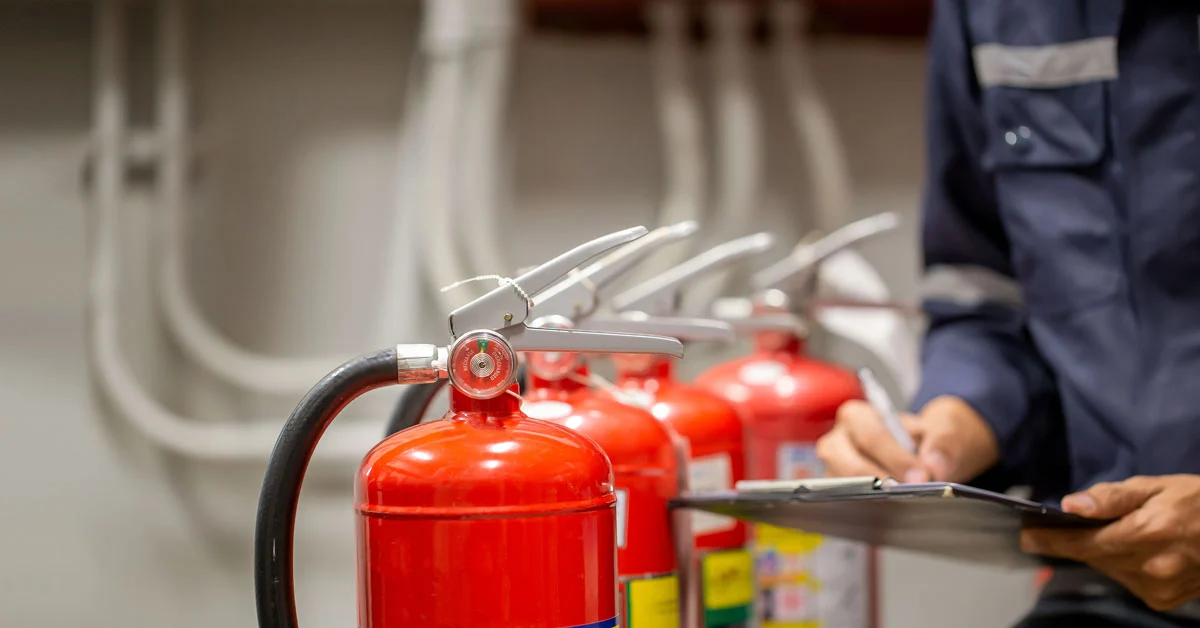
Fire safety is one of the most important responsibilities for any building owner, facilities manager, or employer. Whether managing a commercial office, healthcare facility, school, hotel, or residential development, ensuring that a building remains compliant with current fire safety regulations is essential for protecting people, property, and business continuity.
Modern buildings rely on a wide range of passive and active fire protection systems working together to help prevent fire spread, support safe evacuation, and reduce overall risk. However, many fire safety systems remain hidden behind ceilings, inside ductwork, or within plant rooms, making regular inspection and maintenance critical.
Professional fire compliance services help organisations identify risks, maintain legal compliance, and ensure that essential safety systems continue to perform as intended.
The Importance of Fire Compliance
In the UK, fire safety responsibilities are primarily governed by the Regulatory Reform (Fire Safety) Order 2005. Under this legislation, duty holders and responsible persons must ensure that appropriate fire precautions are in place and properly maintained.
Failure to comply with fire safety regulations can result in enforcement notices, substantial fines, reputational damage, increased insurance costs, and in serious cases, prosecution.
More importantly, poor fire safety management can place lives at risk.
This is particularly important in high-occupancy or high-risk environments such as hospitals, care homes, schools, hotels, commercial kitchens, and residential buildings where evacuation may be more complex.
Key Areas Covered by Fire Compliance Services
Fire compliance involves much more than fire alarms and extinguishers. Many of the most critical fire protection measures are integrated into the building’s infrastructure and ventilation systems.
Some of the most important fire compliance services include:
Fire Damper Testing
Fire dampers are designed to prevent fire and smoke spreading through ventilation ductwork. These systems must be regularly tested and maintained in accordance with BS 9999 standards to ensure they operate correctly during a fire event.
Kitchen Extract Cleaning
Commercial kitchen extract systems accumulate grease deposits over time, significantly increasing fire risk. Regular cleaning to TR19® Grease standards helps reduce the risk of kitchen fires and supports insurance and compliance requirements.
Ventilation Hygiene
Poorly maintained ventilation systems can contribute to fire spread, reduced air quality, and operational inefficiencies. Routine inspection and cleaning support both safety and building performance.
Smoke Control and Compartmentation
Smoke is one of the greatest dangers during a fire. Maintaining smoke dampers, fire stopping systems, and compartmentation measures is essential for protecting escape routes and limiting fire spread.
Why Regular Inspection and Maintenance Matter
Fire safety systems should never be treated as “fit and forget.” Over time, systems can deteriorate, become obstructed, or fail due to lack of maintenance.
For example:
- Fire dampers may seize or become inaccessible
- Kitchen extract systems can develop dangerous grease build-up
- Ventilation systems may accumulate combustible dust and debris
- Documentation and maintenance records can become outdated
Regular inspection and planned preventative maintenance help organisations identify issues early and demonstrate ongoing compliance.
Clear reporting and audit trails are also increasingly important for insurers, regulators, and enforcing authorities.
Choosing a Specialist Fire Compliance Provider
When selecting a fire compliance contractor, organisations should look for experience, industry accreditations, and evidence of technical expertise.
Working with a specialist provider helps ensure:
- Compliance with current legislation and guidance
- Minimal disruption during inspections and maintenance
- Detailed reporting and photographic evidence
- Competent engineers and technical support
- Long-term compliance planning
For organisations looking to improve building safety and maintain compliance, professional support from experienced providers such as Swift Fire Compliance can help ensure critical fire safety systems are properly managed, tested, and maintained.
