

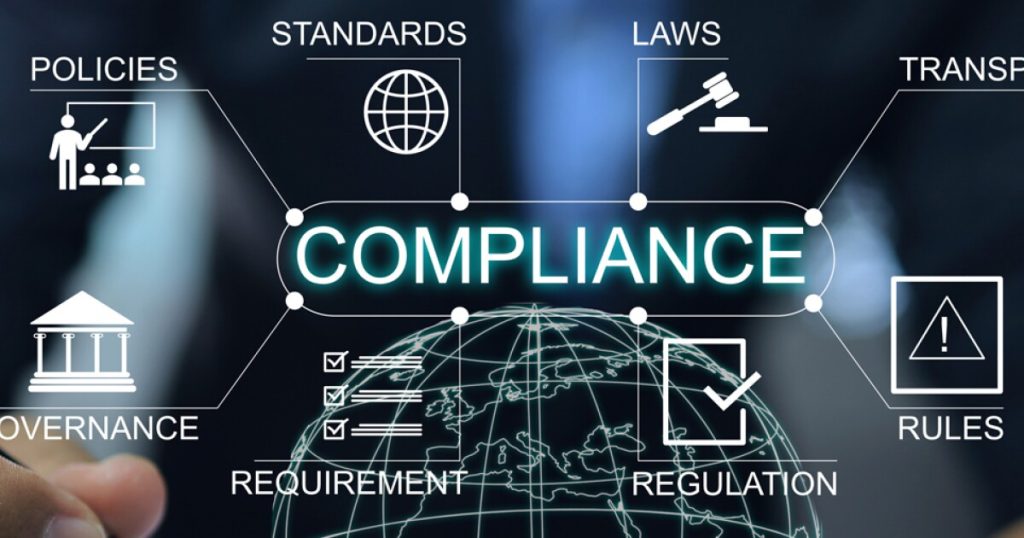
Regulatory landscapes can shift overnight, driven by political change, economic pressure, technological disruption, or unexpected global events. Organizations that treat compliance as a static obligation often struggle when new rules arrive with little warning. In contrast, resilient organizations embed regulatory readiness into their operations, culture, and decision-making processes.
Preparing for sudden compliance changes is not about predicting every regulation—it is about building systems and mindsets that adapt quickly, accurately, and confidently.
Understanding the Nature of Regulatory Change
Regulatory changes rarely occur in isolation. They often emerge from broader forces that ripple across industries and geographies.
Common Triggers for Sudden Compliance Shifts
-
Emergency legislation during crises or public safety concerns
-
Rapid technological adoption that outpaces existing laws
-
Cross-border policy alignment or trade-related reforms
-
High-profile compliance failures prompting stricter oversight
Organizations that understand these triggers are better positioned to respond without panic or disruption.
Why Reactive Compliance Is a Risky Strategy
A reactive approach forces teams into last-minute remediation, increasing the likelihood of errors, penalties, and reputational damage. It also strains internal resources and distracts leadership from strategic priorities.
Proactive compliance readiness offers:
-
Faster response times to regulatory announcements
-
Lower implementation costs due to early preparation
-
Greater stakeholder confidence, including regulators and customers
Building a Regulatory Intelligence Capability
Staying informed is the foundation of compliance agility. Organizations need structured processes to monitor, interpret, and act on regulatory developments.
Key Elements of Effective Regulatory Intelligence
-
Dedicated ownership for tracking regulatory updates
-
Industry-focused monitoring, not generic news scanning
-
Early impact assessments to identify affected processes
-
Clear escalation paths for high-risk changes
This capability transforms regulation from a surprise into a manageable input.
Embedding Compliance into Organizational Design
Compliance should not sit in isolation. When embedded into core operations, it becomes easier to adapt without extensive rework.
Structural Practices That Support Agility
-
Cross-functional compliance teams involving legal, IT, HR, and operations
-
Documented policies with clear ownership and version control
-
Scalable processes that can absorb new requirements
This integration reduces dependency on emergency fixes when regulations change suddenly.
Leveraging Technology for Rapid Adaptation
Modern compliance challenges demand more than spreadsheets and email chains. Technology enables faster analysis, coordination, and reporting.
High-Impact Compliance Technologies
-
Policy management platforms for rapid updates and approvals
-
Automated risk assessments tied to regulatory changes
-
Centralized audit trails for transparency and accountability
Technology does not replace judgment, but it dramatically improves speed and consistency.
Training Teams for Compliance Readiness
Even the best systems fail if employees are unprepared. Sudden regulatory changes often require new behaviors, not just new documents.
Effective Training Approaches
-
Scenario-based learning that mirrors real regulatory shifts
-
Role-specific guidance instead of generic compliance training
-
Regular refresh cycles aligned with regulatory risk levels
Well-trained teams respond calmly and correctly under regulatory pressure.
Creating a Culture That Supports Change
Culture determines how people react when rules change unexpectedly. Organizations that view compliance as a shared responsibility adapt faster than those that treat it as a policing function.
Leadership plays a critical role by:
-
Encouraging early reporting of compliance concerns
-
Rewarding ethical decision-making, even under pressure
-
Communicating changes clearly and consistently
A strong compliance culture turns uncertainty into coordinated action.
Testing and Stress-Testing Compliance Readiness
Preparation must be validated before it is needed. Regular testing reveals weaknesses that may otherwise remain hidden.
Practical Readiness Exercises
-
Mock regulatory change drills
-
Gap analyses against hypothetical new rules
-
Post-implementation reviews after minor regulatory updates
These exercises build confidence and reduce surprises when real changes occur.
Frequently Asked Questions (FAQs)
1. How often should organizations review their compliance readiness?
At least annually, with additional reviews following major regulatory announcements or business model changes.
2. Is compliance readiness only important for highly regulated industries?
No. Even lightly regulated sectors can face sudden rules related to data protection, labor laws, or environmental standards.
3. Who should own compliance readiness within an organization?
Ownership should be centralized, but execution must be shared across departments to ensure speed and accuracy.
4. Can small organizations realistically prepare for sudden regulatory changes?
Yes. Smaller organizations often adapt faster when they establish clear responsibilities and streamlined processes.
5. How do organizations balance speed with accuracy during regulatory changes?
By using predefined workflows, expert review checkpoints, and clear decision authority.
6. What role does leadership play during sudden compliance shifts?
Leadership sets priorities, allocates resources, and reinforces the importance of ethical and compliant behavior.
7. How can organizations measure the effectiveness of their compliance preparation?
Through response time metrics, audit outcomes, training completion rates, and post-change performance reviews.
